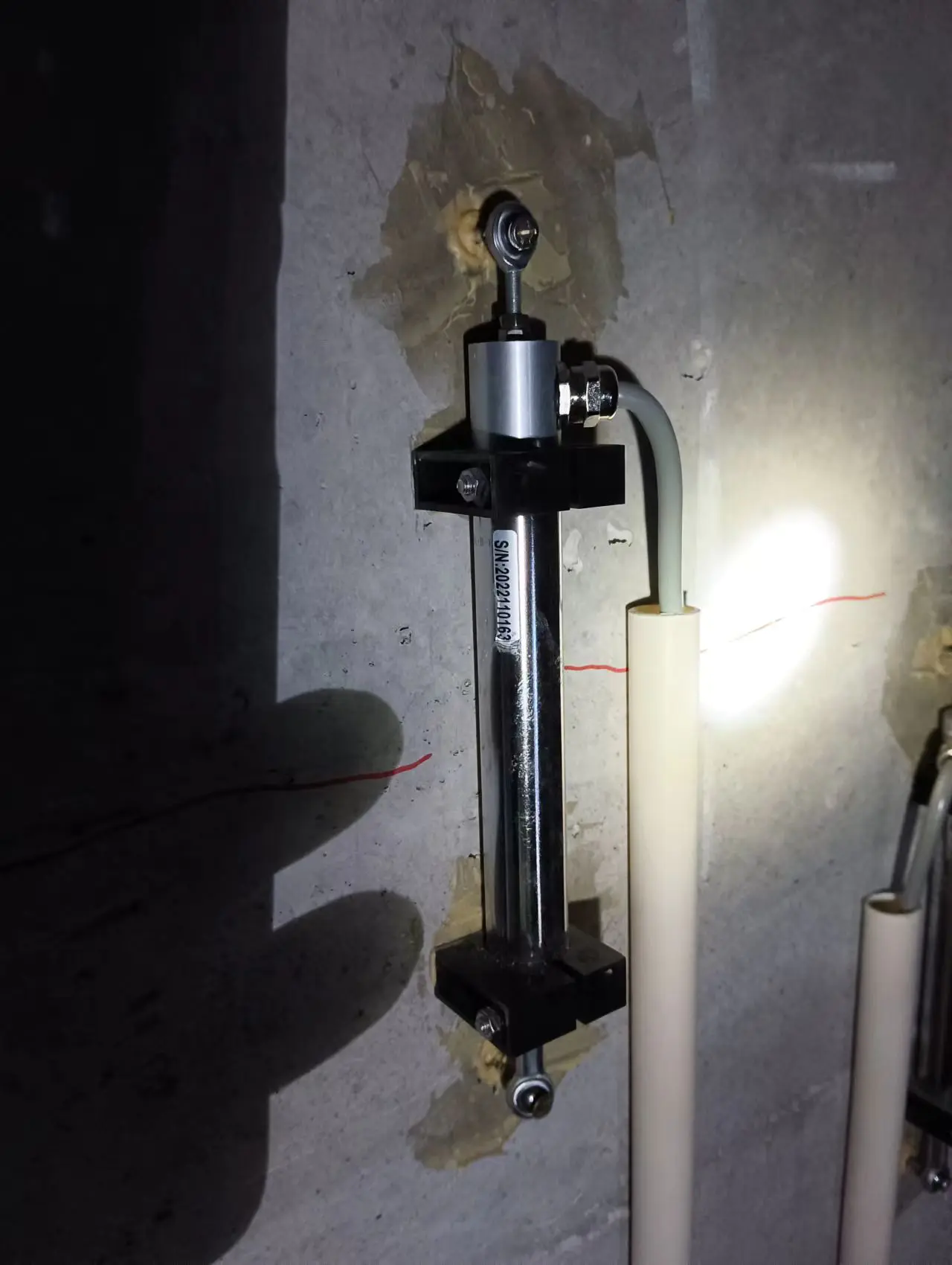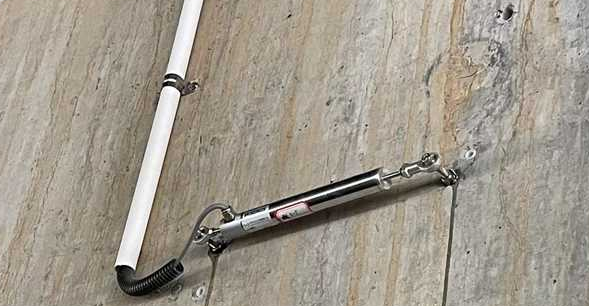
The Application of Miran Rope Displacement Sensor for Mountain Cracks
2026-09-12
During the investigation of geological disaster hazards such as landslides and ground subsidence, the width changes of cracks are one of the most intuitive and crucial early warning indicators. However, the complex outdoor environment, scattered monitoring points, and high cost of traditional instruments often make it difficult for grassroots monitoring personnel to handle the tasks. The Miran rope displacement sensor has unexpectedly played a significant role in the detection of mountain cracks.
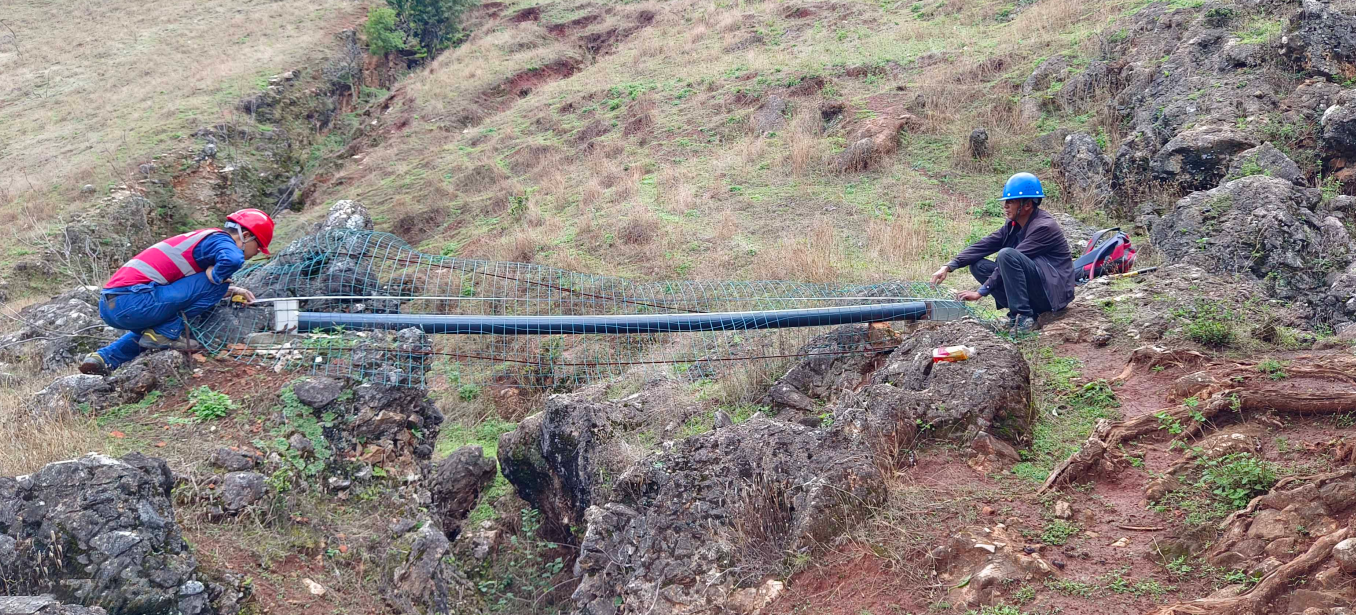
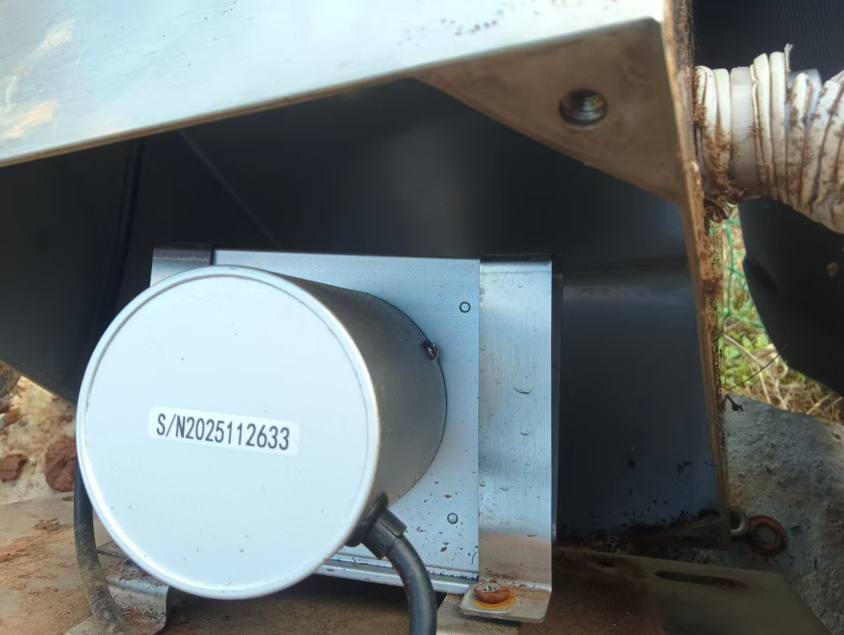
The on-site application of the Miran rope displacement sensor:
The monitor uses the Miran rope displacement sensor to conduct regular observations of the cracks. The specific procedure is as follows:
Ⅰ. Set up fixed measurement points: Drive steel nails firmly into the rock and soil on both sides of the crack as the base points for measurement. The spacing should be selected according to the width of the crack .
Ⅱ. Rope measurement: During each monitoring session, fix the hook of the millimeter-long rope ruler on the steel nails on both sides, pull the rope tight, and read the change in the distance between the base points on both sides of the crack.
Ⅲ. Data recording: Along with a simple record sheet, record the date, temperature, rainfall conditions, and measurement values. The accuracy can be controlled within ±1 millimeter.
Ⅳ. Trend judgment: After continuous monitoring for one week, it was found that the crack width increased from 3.0 centimeters to 3.8 centimeters. Although the daily change was small, it remained positive. Immediately report and activate temporary safety measures.
Ⅱ. Rope measurement: During each monitoring session, fix the hook of the millimeter-long rope ruler on the steel nails on both sides, pull the rope tight, and read the change in the distance between the base points on both sides of the crack.
Ⅲ. Data recording: Along with a simple record sheet, record the date, temperature, rainfall conditions, and measurement values. The accuracy can be controlled within ±1 millimeter.
Ⅳ. Trend judgment: After continuous monitoring for one week, it was found that the crack width increased from 3.0 centimeters to 3.8 centimeters. Although the daily change was small, it remained positive. Immediately report and activate temporary safety measures.
Application effectiveness:
The Miran rope displacement sensor continuously provided one week's worth of data on the crack changes, providing the experts with the first-hand basis for assessing the landslide risk.
In the specific scenario of monitoring mountain cracks, the Miran rope displacement sensor, with its low cost, ease of operation and high precision, has become a practical tool for grassroots disaster prevention and mitigation. For the group monitoring and prevention work in vast mountainous and hilly areas, it often plays a significant role at critical moments.
The Application of Miran Rope Displacement Sensor in Geotechnical Engineering Monitoring
The Application of Miran LVDT Displacement Sensor for Monitoring of Bridge Cracks
Related Article