How to Choose Between Voltage Signal and Current Signal for Miran Displacement Sensors
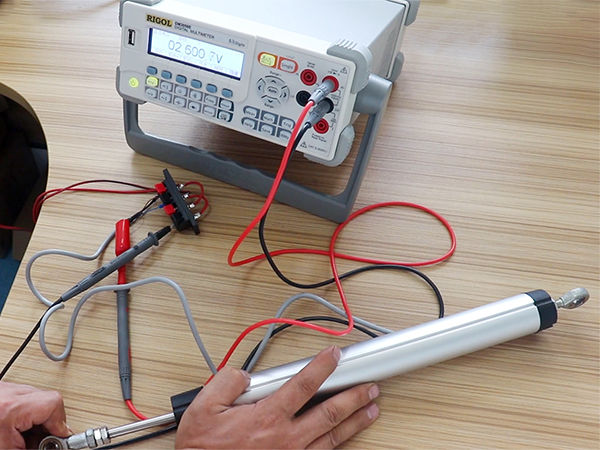
In terms of wiring methods, the current of the voltage signal loop is relatively small, and the common ground scheme is often adopted for multi-channel wiring. The current in the current signal loop is larger, and independent loop wiring is generally adopted. At the signal acquisition level, voltage signal detection is intuitive and convenient. The current signal must be converted from current to voltage with the aid of high-precision standard resistors before measurement.
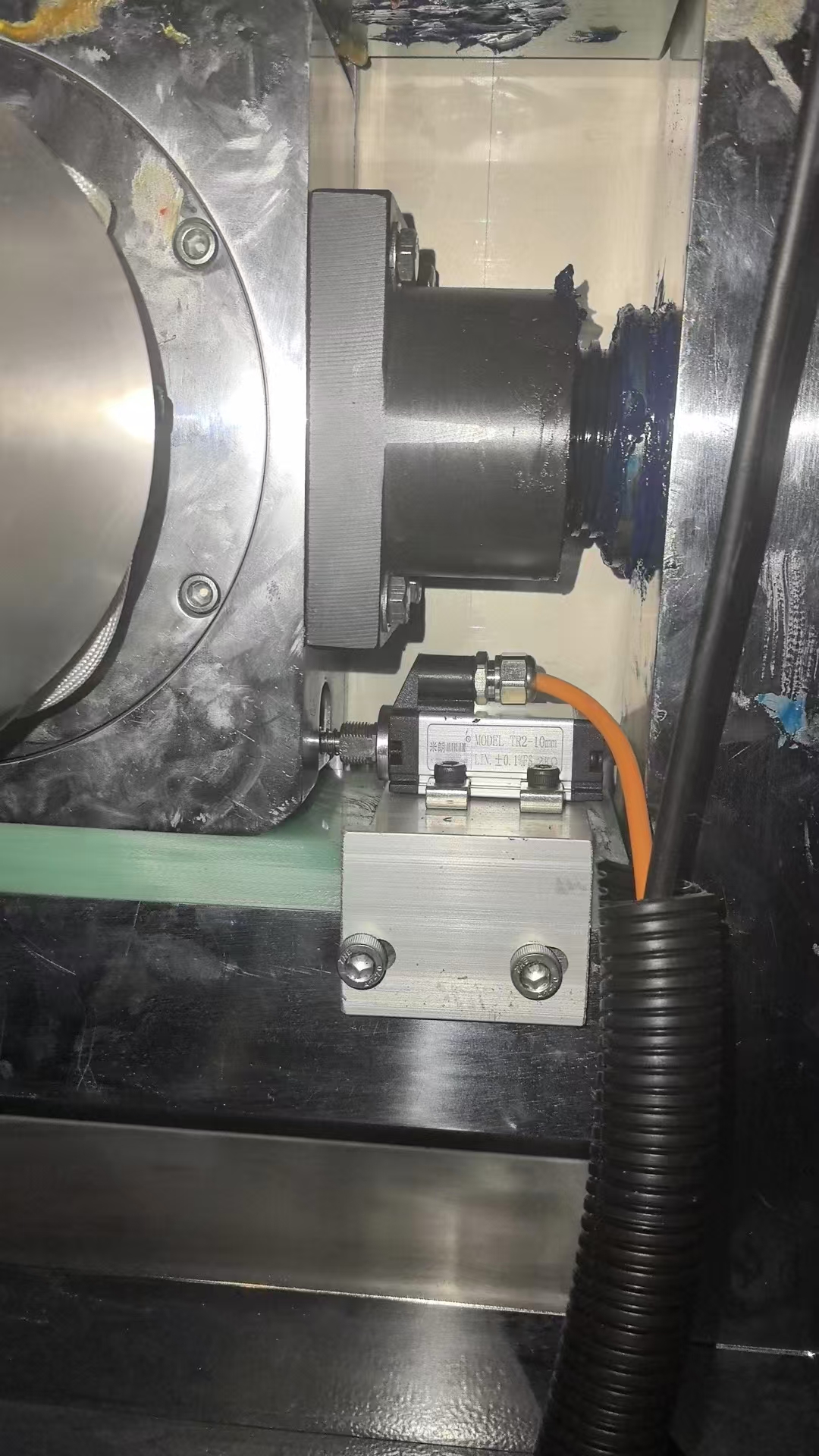
In the field of industrial automation, both voltage and current signals are standard analog signals and are the mainstream data transmission methods in industrial control systems. When fieldbus technology emerged in the early days, many people believed that analog transmission would gradually be replaced. However, after long-term industry verification, analog sensing solutions have been continuously iterated and still have outstanding value in terms of equipment compatibility, implementation cost, and operational stability. They can be seamlessly integrated with various mainstream PLCS and motion controllers and are compatible with new and old equipment renovation projects. Voltage output and current output displacement sensors each have their own advantages and can be flexibly selected based on the on-site working conditions. To reduce the error of the entire displacement measurement and control system, the voltage signal acquisition circuit needs to increase the input impedance as much as possible, while the current signal acquisition circuit needs to reduce the input impedance. For a numerical control system, voltage, current and digital signals will eventually be converted into level signals for processing by the processor. Current signals also need to be matched with load resistors to be converted into voltage signals for processing. For working conditions with a high density of frequency converters, a lot of dust and oil stains, strong electromagnetic interference or long wiring distances, it is recommended to give priority to using current output type displacement sensors, which are suitable for harsh scenarios such as construction machinery, shield equipment, water conservancy gate monitoring, and outdoor structure monitoring.
In response to the upgrading trends of intelligent manufacturing and industrial Internet of Things, many displacement sensors support the optional or compatible output of analog and digital signals. They not only retain the advantages of analog signals, such as easy debugging and strong versatility, but also can be connected to edge acquisition terminals and Internet of Things monitoring platforms. At present, various displacement sensors, relying on mature and stable analog output solutions, are widely used in fields such as rubber and plastic machinery, hydraulic equipment, precision detection, bridge and tunnel monitoring, and new energy equipment, providing reliable position perception solutions for automatic control systems.
Miran,A Professional Manufacturer of Centralized Lubrication System Solutions
Related Article